
Electricity powers nearly every part of a modern home, from lighting and appliances to heating and security systems. However, without proper precautions, electrical systems can pose serious safety risks, including electric shock, fire, and costly damage.
Understanding home electrical safety tips and performing regular electrical maintenance can help homeowners prevent accidents and keep their systems running efficiently. According to safety experts, electrical failures are among the leading causes of house fires each year, which makes proper maintenance essential.
This guide by C&J Electrical Services explains the most common electrical hazards, practical safety tips, and a simple maintenance checklist that every homeowner should follow to keep their electrical system safe and reliable. For homeowners looking to upgrade or maintain their electrical installation, hiring a licensed professional ensures your system meets safety standards and operates efficiently.
Common Home Electrical Hazards
Electrical hazards often develop slowly and may go unnoticed until they become dangerous. Understanding these common risks can help homeowners take preventive action before serious problems occur.
| Electrical Hazard | Why It’s Dangerous |
|---|---|
| Overloaded outlets | Can cause overheating and electrical fires |
| Frayed or damaged wiring | Increases the risk of electric shock and short circuits |
| Outdated electrical panels | Cannot support modern appliances and energy demands |
| Improper DIY electrical repairs | Often violate safety codes and create hidden risks |
| Water near electrical sources | Greatly increases the risk of electrocution |
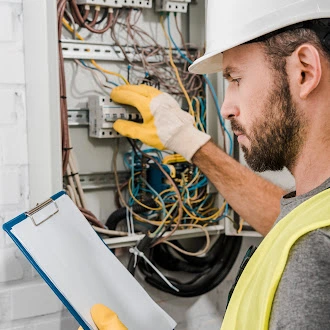
Essential Home Electrical Safety Tips
Avoid Overloading Electrical Outlets
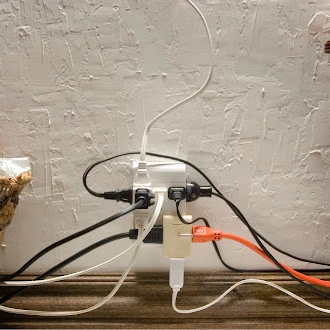
Plugging too many appliances into a single outlet can overload the circuit and cause overheating. Spread electrical devices across multiple outlets and use certified power strips when needed. Avoid connecting multiple extension cords, as this can increase the risk of electrical fires.
Install Proper Safety Devices
Safety devices such as circuit breakers, smoke detectors, and GFCI outlets help protect your home from electrical hazards. GFCI outlets are especially important in areas where water is present, including kitchens, bathrooms, garages, and outdoor spaces.
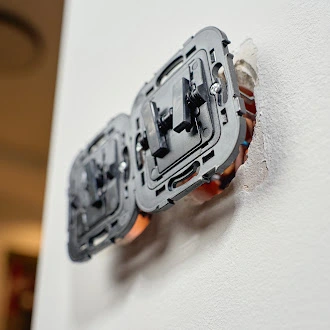
Keep Electrical Appliances Away from Water
Water conducts electricity and greatly increases the risk of electric shock. Always keep appliances away from sinks, bathtubs, and other wet surfaces. Installing GFCI outlets in moisture-prone areas provides extra protection.
Handle Electrical Cords Properly
Damaged cords can cause sparks, overheating, or short circuits. Avoid placing electrical cords under carpets or furniture where they can become damaged without being noticed. Replace any cords that appear cracked, frayed, or loose.
Know When to Call a Professional Electrician
Certain warning signs indicate serious electrical problems that should be addressed by a professional electrician.
Common warning signs include:
- Flickering or dimming lights
- Burning smells near outlets
- Buzzing sounds from switches or panels
- Frequently tripping circuit breakers
- Warm or discolored outlets
If you notice any of these issues, professional electrical repair services can help identify and resolve the problem safely. Additionally, proper exterior lighting installation and maintenance can prevent outdoor electrical hazards and improve the safety and security of your home.
Home Electrical Maintenance Checklist
Routine maintenance helps ensure your electrical system remains safe, efficient, and reliable. Regular inspections can identify problems early and prevent costly repairs.
Inspect Wiring and Cables Regularly
Check visible wiring every few months for cracks, fraying, or loose connections. Early detection of damaged wiring helps prevent electrical failures and reduces fire risks.
Test Outlets and Switches
Outlets that feel warm, appear discolored, or have loose connections may indicate internal electrical problems. Periodic testing of outlets ensures proper voltage and safe electrical performance.
Maintain the Electrical Panel
Your electrical panel should remain clean, dry, and properly labeled. An organized electrical panel makes it easier to identify circuits and ensures breakers function properly during overload situations.
Schedule Professional Electrical Inspections
Experts recommend scheduling a professional electrical inspection every 3 to 5 years, especially in older homes. Professional electricians can detect hidden issues that homeowners may overlook.
Upgrade Outdated Electrical Components
Older wiring systems, electrical panels, and outlets may not support modern appliances or energy demands. Upgrading outdated components improves safety, energy efficiency, and system reliability.
Benefits of Regular Electrical Maintenance
Maintaining your home’s electrical system offers several important benefits:
- Improves overall electrical safety
- Reduces the risk of electrical fires
- Prevents costly emergency repairs
- Extends the lifespan of electrical components
- Improves home energy efficiency
Regular maintenance ensures your electrical system operates safely and reliably for years.
When to Call a Professional Electrician
While homeowners can perform basic safety checks, certain electrical tasks should always be handled by professionals. Licensed electricians can safely perform services such as:
- Electrical installation
- Electrical panel upgrades
- Wiring repairs
- Electrical inspections
Professional electricians ensure your home meets current electrical safety standards and local codes.
Conclusion
Electrical safety is essential for protecting your home, family, and appliances. By understanding common electrical hazards and following proper home electrical safety tips, homeowners can significantly reduce the risk of electrical accidents.
Regular inspections, proper maintenance, and timely upgrades help ensure your electrical system remains efficient and reliable. When dealing with complex electrical issues, professional electricians can provide safe and long-lasting solutions.
FAQs
- How often should home electrical inspections be done?
Electrical inspections should typically be performed every 3 to 5 years, although older homes may require more frequent inspections. - What are common electrical hazards in homes?
Common hazards include overloaded outlets, damaged wiring, outdated electrical panels, improper DIY repairs, and water exposure near electrical sources. - Why are GFCI outlets important?
GFCI outlets automatically shut off power when they detect electrical imbalances, helping prevent electric shocks and electrocution. - What causes electrical outlets to overheat?
Overheating outlets are often caused by overloaded circuits, faulty wiring, or damaged outlets. - Is it safe to perform DIY electrical repairs?
Minor tasks like replacing light bulbs may be safe, but major electrical repairs should always be performed by licensed electricians.