
Power outages are becoming more common due to severe weather, aging utility infrastructure, and increased electricity demand. A whole-house generator is one of the best investments homeowners can make to keep essential appliances, HVAC systems, lighting, medical equipment, and security systems running during unexpected outages.
But before purchasing a standby generator, one of the biggest questions homeowners ask is
“How much does a whole house generator installation cost in 2026?”
In most cases, homeowners can expect to pay between $8,000 and $16,000+ for a professionally installed whole house generator. Premium systems with larger capacities, extensive electrical upgrades, or propane installations can exceed $26,000.
This guide explains everything that affects pricing, including generator size, labor, fuel type, transfer switches, permits, maintenance costs, and the most popular generator brands available in 2026.
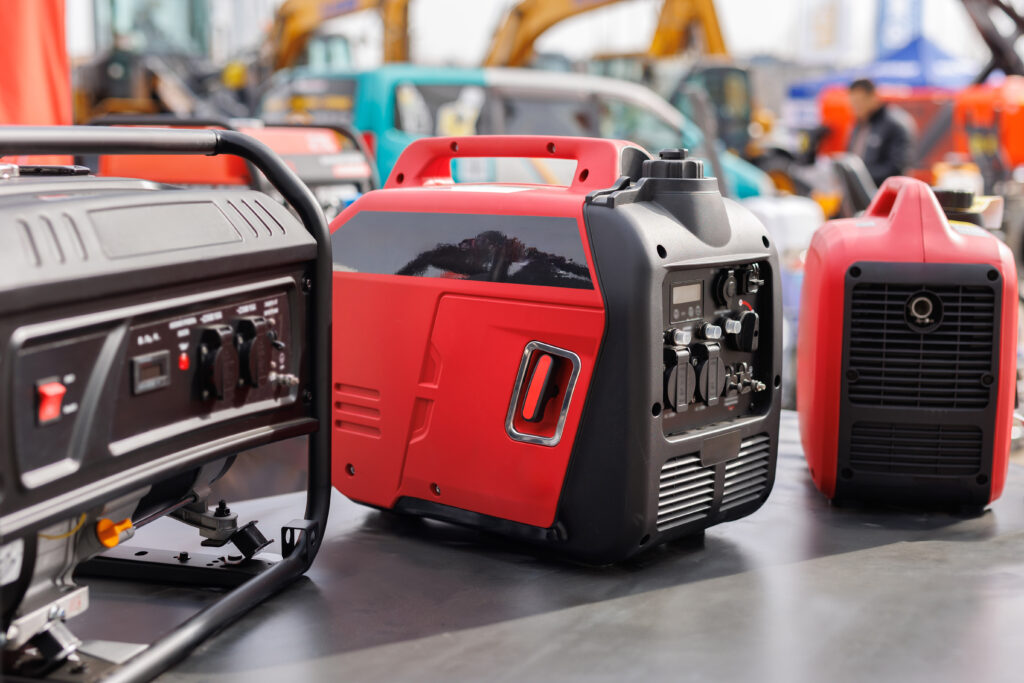
Average Whole House Generator Installation Cost in 2026
The total installation cost includes much more than the generator itself. Besides purchasing the unit, homeowners should budget for professional installation, permits, fuel connections, electrical upgrades, transfer switches, and routine maintenance.
Typical installation costs include:
| Generator Size | Average Installed Cost |
|---|---|
| 10–14 kW | $8,000–$10,000+ |
| 14–18 kW | $9,000–$13,000 |
| 20–24 kW | $12,500–$18,000 |
| 25–26+ kW | $18,000–$26,000+ |
Larger homes with multiple HVAC systems, electric water heaters, pools, or workshops generally require higher-capacity generators, increasing overall installation costs.
What Affects Whole House Generator Installation Cost?
Several factors influence the final price of a standby generator installation in Canton, MI.
1. Generator Size
Generator capacity is measured in kilowatts (kW). The larger the generator, the more electrical circuits it can power simultaneously.
Typical recommendations include the following:
- 10–14 kW for smaller homes
- 18–22 kW for average-sized homes
- 24–26 kW for large homes with whole-home backup power
Choosing the correct generator prevents overload while avoiding unnecessary expenses.
2. Fuel Type
Fuel choice significantly impacts installation costs.
Natural Gas
Natural gas remains the most affordable option for homes with existing gas service.
Benefits include:
- Continuous fuel supply
- Lower operating costs
- Minimal maintenance
- No fuel storage required
Installation typically costs less because fuel lines already exist.
Propane
Homes without natural gas often choose propane generators.
Additional expenses may include:
- Underground propane tank installation
- Longer fuel line trenching
- Tank refills
- Site preparation
Although propane systems cost more initially, they provide reliable backup power in rural locations.
3. Labor Costs
Professional installation generally ranges between $3,000 and $5,500.
Labor includes:
- Electrical wiring
- Transfer switch installation
- Fuel line connections
- Generator placement
- System testing
- Local inspections
Most residential installations take one to three days, depending on project complexity.
4. Automatic Transfer Switch
Every whole-house standby generator requires an automatic transfer switch (ATS).
The transfer switch automatically detects power outages and switches your home to generator power within seconds.
Typical installed cost:
$600–$2,000
Higher-capacity homes usually require a 200-amp transfer switch.
5. Fuel Line Installation
Fuel line installation varies depending on the home’s utility setup.
Estimated costs:
- Natural gas connection: $500–$2,500
- Underground propane installation: $3,800+
Longer distances between the generator and fuel source increase installation costs.
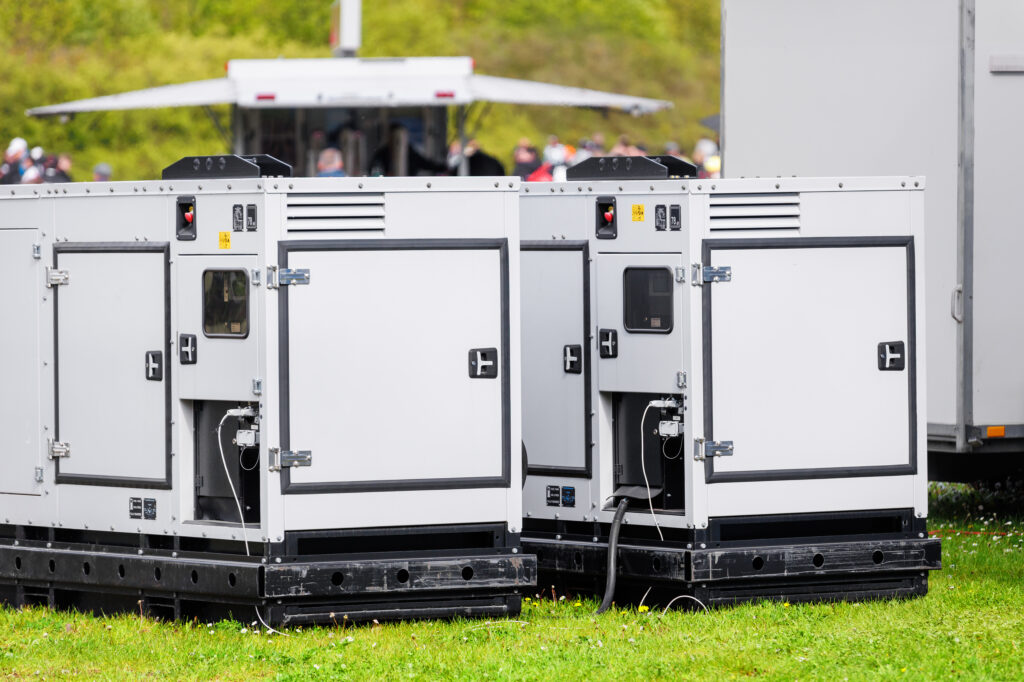
Popular Whole House Generator Brands (2026)
Several manufacturers dominate the residential standby generator market.
Generac
Generac remains one of the most popular residential generator brands because of its reliability, nationwide dealer network, and competitive pricing.
Estimated installed costs:
| Model | Installed Cost |
|---|---|
| 14kW Guardian | $8,000–$10,000 |
| 20kW Guardian | $9,500–$15,000 |
| 24kW Guardian | $11,000–$18,000 |
| 26kW Guardian | $12,000–$20,000+ |
Many homeowners also use Generac’s online sizing calculator before requesting installation estimates.
Kohler
Kohler generators are known for premium engineering and quiet operation.
Typical installation costs include the following:
- 20kW: $9,000–$13,000
- 26kW: $12,000–$16,500
Kohler generators offer similar pricing to Generac while maintaining excellent long-term reliability.
Other Popular Generator Brands
| Brand | Estimated Installed Cost |
|---|---|
| Generac Guardian 22kW | $10,000–$15,000 |
| Briggs & Stratton 20kW | $9,500–$14,000 |
| Cummins QuietConnect 20kW | $13,000–$18,000 |
| Honeywell 22kW | $10,000–$15,000 |
| Winco 20kW | $10,000–$14,500 |
Choosing the right brand depends on warranty, local dealer support, fuel type, and available service technicians.
Additional Costs to Consider
Besides the generator itself, homeowners should budget for several additional expenses.
Concrete Pad
Most standby generators require a reinforced concrete or composite pad.
Estimated cost:
$300–$1,000+
Permits and Inspections
Most municipalities require permits before installation.
Permit costs typically range from the following:
$150–$600
Permit fees vary based on local building regulations.
Annual Maintenance
Routine servicing keeps generators operating efficiently and protects manufacturer warranties.
Annual maintenance generally includes:
- Oil changes
- Air filter replacement
- Battery inspection
- Spark plug replacement
- Full operational testing
Average yearly maintenance cost:
$350–$700
Is a Whole House Generator Worth the Investment?
For many homeowners, the answer is yes.
Benefits include:
- Continuous power during outages
- Protection for refrigerators and freezers
- Safe operation of medical equipment
- HVAC operation during extreme weather
- Increased property value
- Improved home security
- Reduced risk of frozen pipes
- Greater peace of mind
Homes located in hurricane, wildfire, tornado, or severe winter storm regions benefit the most from standby generators.
Tips to Save Money on Generator Installation
If you’re planning a standby generator installation, consider these money-saving strategies:
- Compare estimates from multiple licensed contractors.
- Select the correct generator size rather than oversizing.
- Install the generator close to the electrical panel.
- Use existing natural gas service when available.
- Schedule installation during slower seasons.
- Bundle electrical upgrades into one project.
Proper planning helps reduce installation costs while ensuring reliable backup power.
Final Thoughts
A whole house generator is one of the smartest long-term investments for homeowners concerned about power outages. Although installation costs in 2026 typically range between $8,000 and $16,000, the final price depends on generator size, fuel source, labor, permits, transfer switches, and site conditions.
Working with an experienced, licensed generator installer ensures your system is properly sized, safely installed, and fully compliant with local electrical codes. With the right generator in place, you’ll enjoy dependable backup power, greater comfort, and added peace of mind whenever the grid goes down.
Frequently Asked Questions
What is the average cost to install a whole house generator in 2026?
Most professionally installed whole house generators cost between $8,000 and $16,000+, depending on generator size, labor, fuel type, permits, and electrical upgrades.
What size generator powers an entire home?
Most average homes require a 20kW to 22kW generator, while larger homes may need a 24kW to 26kW system for complete backup power.
Is natural gas better than propane for standby generators?
Natural gas is usually more economical if your home already has a gas connection. Propane is an excellent alternative for rural properties without natural gas service.
How long does generator installation take?
Most residential standby generator installations are completed within one to three days, although more complex projects may take longer.
Does installing a whole house generator increase home value?
Yes. A professionally installed standby generator can improve resale value and make a home more attractive to buyers, especially in areas prone to frequent power outages.